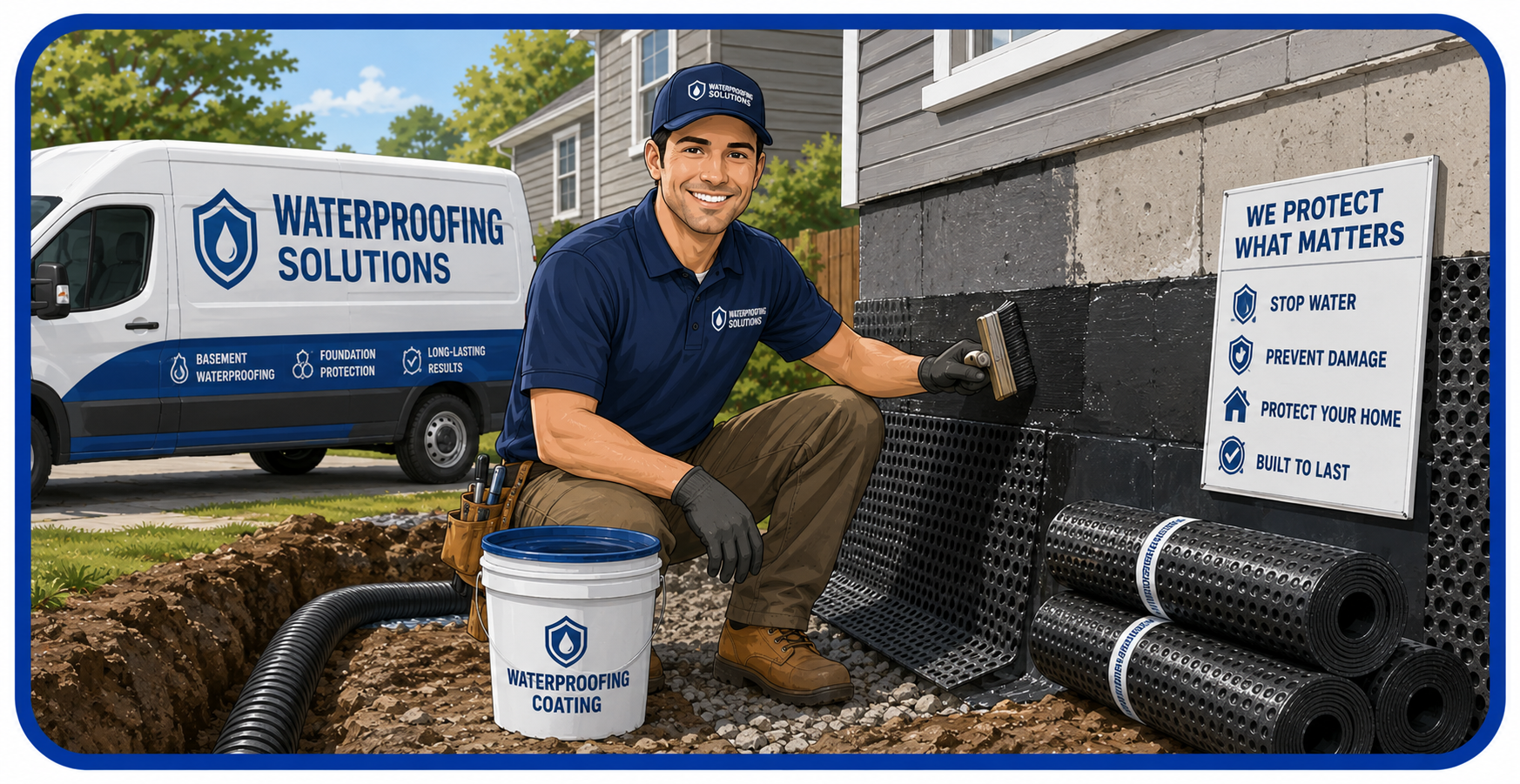
Mold colonies in crawl spaces originate at ground level and migrate upward through your home's air supply. JCB Waterproofing and Construction installs certified encapsulation systems that cut off moisture at the source.
What makes our encapsulation installs last decades, not years.
Our material specs match what commercial builders require, not the minimum code standard for residential construction.
A barrier with unsealed seams and penetrations stops only a fraction of the moisture it could -- our sealed system approach eliminates every bypass path.
HVAC equipment running in an encapsulated crawl space operates at higher efficiency because humidity does not overload the system's dehumidification capacity.
We inspect floor joists, beams, and support posts as part of every assessment and flag any existing wood damage that requires remediation before encapsulation is installed.
The science behind crawl space encapsulation centers on moisture vapor transmission from exposed soil surfaces. Even dry-looking crawl space soil emits moisture vapor continuously at a rate that can introduce gallons of water per day into the air under your home. Traditional building practice placed foundation vents to exhaust this moisture, but research has repeatedly shown that venting in humid climates introduces more moisture than it removes, because the air flowing in from outside is often more humid than the air inside the crawl space. Sealing the crawl space and managing its humidity with a rated dehumidifier consistently outperforms venting in IN climates.
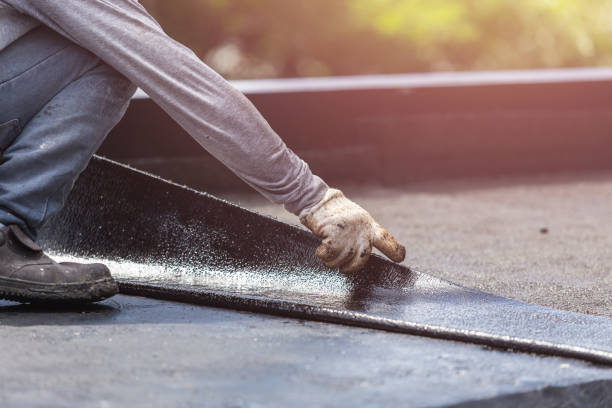
The vapor barrier is the physical core of the encapsulation system. Mil thickness matters significantly in this application: 6-mil poly is standard for short-term vapor retarders in above-grade construction, but crawl space conditions include foot traffic during inspections and maintenance, contact with rough aggregate and irregular soil surfaces, rodent activity, and exposure to moisture for decades. We specify a minimum 20-mil reinforced poly with a ripstop layer that resists puncture from debris and maintains its vapor transmission rating even if the surface is scuffed or walked on. The barrier is cut and fitted to the exact dimensions of each crawl space section, with all wall terminations run up to the rim joist and sealed with a waterproof tape rated for that adhesion surface.
HVAC performance in homes with encapsulated crawl spaces improves because the humidity load on the air conditioning system is reduced. In a vented crawl space, humid outside air is drawn under the house, rises through the subfloor into the living space, and must be removed by the air conditioning system. This hidden moisture load causes air conditioners to run longer, increases compressor wear, and reduces the effective cooling capacity of the system. After encapsulation, the crawl space humidity is maintained by a rated standalone dehumidifier that handles only the manageable internal moisture load rather than an endless supply from outside air.
Crawl space dehumidification is the final element of a complete encapsulation system. Even a fully sealed crawl space generates some internal humidity from concrete foundation walls and the residual moisture in the soil, particularly in the first season after installation when the soil is transitioning to a lower equilibrium moisture content. A rated crawl space dehumidifier sized to the cubic footage of the space maintains interior relative humidity below the threshold that supports mold growth. We specify units with gravity drain or condensate pump to eliminate the manual emptying requirement, and we set the humidistat to an appropriate setpoint for Alexandria, IN conditions before completing each project.
Complete coverage from vapor barrier to dehumidification -- everything your crawl space needs.
We cut and fit barrier material to every section of your crawl space, including around posts, piers, and columns, so no ground surface is left exposed to vapor evaporation.
Dehumidifier placement and airflow direction are planned to ensure even coverage of the entire sealed space, with no humidity pockets that allow localized moisture buildup.
Existing foundation vents are sealed with rigid foam insulation cut to size and adhered with spray foam to eliminate the primary pathway for outside humid air to enter the crawl space.
When visible mold colonies are present on floor joists, sheathing, or structural framing, we treat affected surfaces with EPA-registered fungicidal solutions before installing the vapor barrier.
Where standing water enters the crawl space during heavy rain or due to a high water table, we install a dedicated crawl space drainage system that collects and removes water before the vapor barrier is installed.
Existing crawl space access hatches and exterior doors are insulated and sealed to prevent air infiltration that would bypass the encapsulation system at its perimeter.
We enter the crawl space and conduct a systematic inspection of all floor and wall surfaces, document moisture meter readings at multiple locations, photograph all floor joist and beam conditions, and identify every source of water or moisture entry before recommending any course of action.
Standing water drainage infrastructure is also installed in this phase so the crawl space floor is dry and stable before the vapor barrier goes down.
Foundation vents are sealed with rigid foam insulation and spray foam adhesive, and the crawl space access hatch is fitted with an insulating door seal panel.
We take final moisture readings and photograph the completed installation before issuing your written warranty documentation and maintenance schedule.
Our floor joists were showing early decay when JCB Waterproofing and Construction inspected. They remediated the mold, sealed the entire crawl space, and installed a dehumidifier -- a year later the wood moisture readings are in the safe range and the floors feel solid again.
The crew was thorough and professional. They explained what they found, showed me photos, and completed the work exactly as quoted. The crawl space is completely dry now and looks professionally done.
I got four quotes and JCB Waterproofing and Construction was the only company that gave me a written spec listing the mil thickness of the poly they were installing. That transparency is why I chose them and their work backed it up completely.
Get a written quote from our Alexandria, IN encapsulation specialists -- no obligation, no pressure, just a clear plan.
Call +1-866-476-1348 Now